Maximize Your Engine’s Power with Aftermarket Upgrades
Upgrading your vehicle's engine can be a game changer. Whether you're looking for improved performance, better fuel efficiency, or a more exhilarating driving experience, aftermarket upgrades can help you achieve your goals. In this post, we will explore various aftermarket upgrades that can maximize your engine's power, enhance its efficiency, and ultimately transform your driving experience.
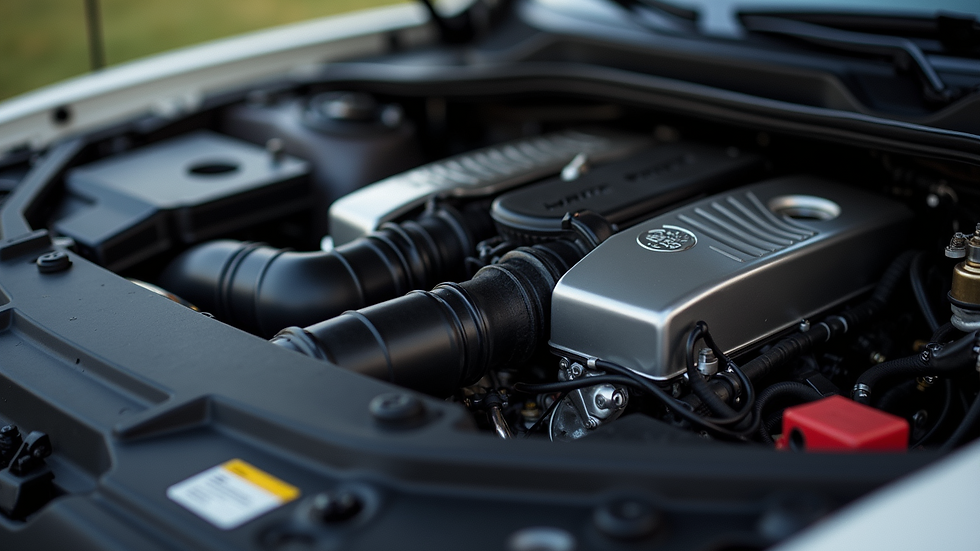
Understanding Aftermarket Upgrades
Before diving into specific upgrades, it's essential to understand what aftermarket upgrades are. These are modifications made to a vehicle after it leaves the factory. They can range from simple enhancements to complex installations, and they often aim to improve performance, aesthetics, or functionality.
Why Consider Aftermarket Upgrades?
Performance Enhancement: Aftermarket parts can significantly boost your engine's horsepower and torque.
Customization: Tailor your vehicle to your preferences, making it unique and suited to your driving style.
Cost-Effectiveness: In many cases, aftermarket parts can be more affordable than factory options while offering similar or better performance.
Increased Resale Value: Well-chosen upgrades can enhance your vehicle's appeal to potential buyers.
Popular Aftermarket Upgrades for Engine Power
Cold Air Intakes
One of the most popular upgrades is the cold air intake system. This modification allows your engine to breathe better by drawing in cooler, denser air. The benefits include:
Increased Horsepower: More air means more fuel can be burned, leading to increased power.
Improved Throttle Response: A cold air intake can enhance the engine's responsiveness, making acceleration feel more immediate.
Performance Exhaust Systems
Upgrading your exhaust system can also yield significant power gains. A performance exhaust system reduces back pressure, allowing exhaust gases to exit the engine more efficiently. Key benefits include:
Enhanced Sound: Many performance exhaust systems provide a more aggressive sound that enthusiasts love.
Weight Reduction: Aftermarket exhausts are often lighter than factory systems, contributing to better overall performance.
Engine Tuning
Tuning your engine is another effective way to maximize power. This process involves adjusting the engine's computer settings to optimize performance. Benefits include:
Tailored Performance: A tune can be customized to match your specific upgrades, ensuring you get the most out of your modifications.
Improved Fuel Efficiency: A well-tuned engine can also lead to better fuel economy, making it a win-win situation.
Turbochargers and Superchargers
For those seeking serious power, adding a turbocharger or supercharger can dramatically increase horsepower. These forced induction systems compress air entering the engine, allowing for more fuel to be burned. Considerations include:
Significant Power Gains: Both turbochargers and superchargers can add substantial horsepower, often exceeding 100 additional horsepower.
Complex Installation: These upgrades can be more complicated and may require additional modifications to your engine.
High-Performance Fuel Injectors
Upgrading your fuel injectors can improve your engine's fuel delivery, ensuring it gets the right amount of fuel for optimal performance. Benefits include:
Better Fuel Atomization: High-performance injectors can provide finer fuel mist, leading to more efficient combustion.
Increased Power: More fuel can lead to more power, especially when combined with other upgrades.
Choosing the Right Upgrades
When considering aftermarket upgrades, it's crucial to choose parts that complement each other. Here are some tips for selecting the right upgrades:
Set Clear Goals: Determine what you want to achieve with your upgrades—whether it's more power, better fuel efficiency, or a combination of both.
Research Compatibility: Ensure that the parts you choose are compatible with your vehicle's make and model.
Consult Professionals: If you're unsure about which upgrades to choose, consult with automotive professionals or enthusiasts who can provide valuable insights.
Installation Considerations
While some upgrades can be installed at home, others may require professional installation. Here are some factors to consider:
Skill Level: Assess your mechanical skills honestly. If you're not comfortable with a particular installation, it's best to seek professional help.
Tools Required: Ensure you have the necessary tools for the job. Some upgrades may require specialized equipment.
Time Commitment: Be prepared to dedicate time to the installation process, especially for more complex upgrades.
Maintenance After Upgrades
After upgrading your engine, proper maintenance is essential to ensure longevity and performance. Here are some maintenance tips:
Regular Oil Changes: Upgraded engines may require more frequent oil changes to keep them running smoothly.
Monitor Performance: Keep an eye on your vehicle's performance and address any issues promptly.
Use Quality Fuel: High-performance engines often benefit from higher octane fuel, so consider using premium fuel for optimal performance.
Conclusion
Maximizing your engine's power with aftermarket upgrades can lead to a more enjoyable driving experience. From cold air intakes to turbochargers, there are numerous options available to enhance your vehicle's performance. Remember to choose upgrades that align with your goals, and don't hesitate to seek professional advice when needed. With the right modifications, you can transform your vehicle into a powerhouse on the road.
Take the next step in your automotive journey by exploring aftermarket upgrades that suit your needs and preferences. Happy driving!


Comments